
Septic systems play a vital role in treating and disposing of household wastewater. Unlike municipal sewer systems that transport waste to a central treatment facility, a septic system manages waste on-site. While this setup is common across Minnesota, it requires diligent care to ensure minimal ecological disruption. Below, we explore how septic systems can affect the environment, the best practices for lessening their negative impact, and how to maintain your own system responsibly.
UNDERSTANDING HOW SEPTIC SYSTEMS WORK
A septic system consists of a tank and a drain field (or leach field). Wastewater from your home flows into the septic tank, where solids settle at the bottom and form sludge, while lighter substances like oils and grease float to the top, creating a scum layer. Beneficial bacteria in the tank help break down much of this waste. The partially treated water (effluent) then travels to the drain field, where it filters through gravel and soil, undergoing further treatment before re-entering the groundwater.
Septic systems in Minnesota must handle a wide range of weather conditions, from harsh winters to heavy spring snowmelt. Proper design, installation, and maintenance are therefore crucial to keep them functioning smoothly. Whether you need professional septic installation or already have an existing tank that needs care, understanding how your system operates is the first step toward preventing environmental harm.
POTENTIAL NEGATIVE EFFECTS ON THE ENVIRONMENT
Groundwater Contamination
If a septic tank is overloaded, improperly maintained, or leaking, untreated waste can seep into the ground before it fully breaks down. This can lead to contamination of groundwater with nutrients like nitrates and harmful bacteria, posing a health risk to both humans and wildlife.
Harm to Local Ecosystems
Excess nutrients, such as phosphorus, can enter lakes, streams, and rivers, accelerating the growth of algae and aquatic plants. Algae blooms reduce oxygen levels in water, harming fish and other marine life. This chain reaction disrupts the delicate balance of local ecosystems.
Soil Degradation
Neglected septic systems may result in soil oversaturation. Instead of filtering water naturally, the soil can become clogged with solids. This creates wet areas in your yard, often signaled by foul odors or visible puddles, and can permanently damage the soil’s ability to treat waste.
Greenhouse Gas Emissions
If your septic tank is not functioning correctly, decomposition of waste can produce more methane—a potent greenhouse gas. Though septic systems generally have a lower carbon footprint compared to other waste management methods, poor maintenance can contribute to overall emissions.
BEST PRACTICES FOR REDUCING YOUR SYSTEM’S ECOLOGICAL FOOTPRINT
Regular Inspections and Maintenance
Scheduling routine septic systems service is essential. At Custom Septic, we recommend regular inspections to catch early failure signs like slow drains or standing water. This prevents more serious issues down the road and reduces the risk of environmental contamination.
Responsible Water Use
Overuse of water can overwhelm your septic tank. Fix any leaking water pipes immediately, use low-flow fixtures, and space out laundry loads. This limits stress on your system and helps waste break down more efficiently.
Safe Disposal Habits
Never flush non-biodegradable items (wipes, diapers) or pour cooking grease and toxic chemicals down the drain. These materials can disrupt the balance of bacteria crucial for breaking down waste, causing clogs or contamination.
Thoughtful Landscaping
Planting shrubs or trees too close to your drain field can lead to root infiltration, resulting in blockages or pipe damage. Plan your yard’s landscape with respect to the system’s location, opting for grasses or shallow-rooted plants near the drain field.
Prompt Repairs and Professional Assistance
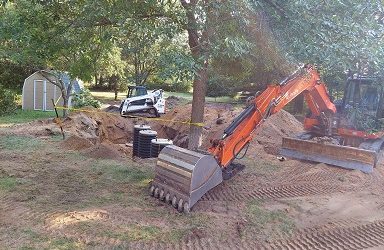
Not all septic repairs are DIY-friendly. When you notice telltale signs like persistent foul odors or frequent backups, it’s wise to call a professional repairman. Attempting large-scale repairs without expert help can worsen the damage. At Custom Septic, our excavation equipment, modern blueprints, and experienced team ensure the job is done right the first time.
SEPTIC VS. SEWER AND THE ENVIRONMENTAL DIFFERENCE
When debating septic vs. sewer, the main difference is where and how treatment happens. A municipal sewer system transports waste to a central facility, which is beneficial if the community infrastructure is well-managed. However, rural properties or those far from city lines often rely on septic systems. With proper design, ongoing inspections, and consistent maintenance, septic systems can be just as environmentally friendly as sewers.
HOW CUSTOM SEPTIC CAN HELP
Custom Septic stands out for its dedication to sustainable practices. Our process begins with precise designs, followed by professional septic installation and routine maintenance for homeowners throughout Minnesota. We make certain that each system is built to handle seasonal shifts and adheres to local codes for environmental safety. If issues arise—whether it’s a cracked tank, failing drain field, or warning signs of contamination—we offer prompt septic repairs to minimize ecological harm.
As Your Trusted Septic Inspection, Design, Installation, and Repair Experts in Minnesota, we also guide you through each stage of septic ownership. From the initial home inspection to confirm system health, to finalizing blueprints for new construction, our seasoned professionals ensure you make informed decisions. We believe in putting our clients first, and that includes safeguarding the pristine ecosystems so cherished in Minnesota.
CONCLUSION
Understanding the environmental implications of septic systems is a critical part of responsible homeownership. A faulty or neglected system can negatively impact water quality, soil health, and local wildlife, while a well-maintained one can operate smoothly with minimal harm. By adopting best practices—limiting water usage, ensuring safe waste disposal, scheduling regular maintenance, and calling for repairs when needed—you can help protect Minnesota’s natural resources.
For environmentally conscious and reliable septic systems in Minnesota, contact the team at Custom Septic. Our experts are ready to assist with inspections, maintenance, and any other septic concerns you may have. With our comprehensive services, you can rest assured that your system meets the highest standards for efficiency and environmental stewardship.

0 Comments