
Septic System Installation
Are you in need of a new septic system?
Buying a home and property is a major investment, and a significant part of that investment is the property’s sewage system. While many areas provide city water and waste management, others do not. In such areas, a septic system is necessary for wastewater treatment and disposal. If you need a septic system installation, the professionals at Custom Septic, Inc. are available to serve the state of Minnesota. Not only do we install septic systems, but we also handle all your septic service needs, including installations, maintenance, inspections, and repairs.
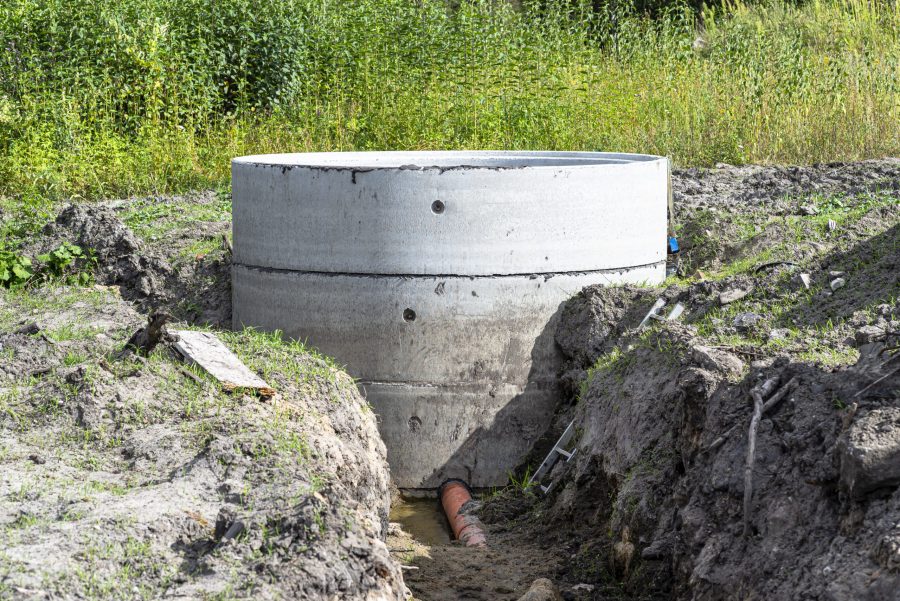
All septic sewage treatment systems require a septic tank—a container sized to meet your property’s sewage needs and buried underground—and a drainfield, also known as a leach field. Some systems may also include optional features like pumps, sand filters, and alarms, depending on the septic design. When installing a septic system, it is essential to choose the correct design for your property. This ensures optimal performance and prevents harm to the surrounding environment.
4 Basic Types of Septic System Designs
*There are also “Performance Systems” which are variations of the types below.
Gravity Septic Systems
Pressure Bed or Trench Septic Systems
At Grade Septic Systems
Mound Septic Systems
Determining the Proper Septic System for your Minnesota Property
The ideal septic system design for your home depends on factors such as terrain, soil conditions, and available placement area. To determine the proper septic design for your property, our professionals will take a soil sample, a process known as soil boring, as this is the main factor in choosing the appropriate septic system. Once this is complete, a layout of the septic tank and drainfield will be designed and discussed to ensure the area meets the following criteria:
- It is not needed for another purpose.
- There is no heavy weight or traffic on the designated areas.
- You do not have future plans that could disrupt the septic system’s function.
Common Types of Drainfield Systems:
- Pressure Distributed (Pressure Bed)
- Trenches (Gravity or Pressure Trench)
- At Grade
- Mound
Factors to Consider
The size of your septic tank is determined by the volume of water used and the regulations of your local jurisdiction. Septic tanks can be constructed from concrete, fiberglass, or polyethylene. Typically, the best placement for a septic tank is close to the home. The farther away the tank is, the longer the waste lines need to be, which can increase the risk of septic clogs.
Septic Drainfield or Leach Field?
Wastewater is separated from solids in the septic tank and then flows to a drainfield. This designated area contains piping to distribute the liquid evenly so it can be absorbed into the earth. A septic drainfield is critical to the proper functioning of the septic system. The placement, size, and type of drainfield depend on factors such as the projected wastewater flow, the characteristics of your property’s soil, and the slope or depth of the landscaping.
Professional Septic Installation
Most septic system designs typically include a specified drainage field, but exceptions may sometimes be necessary. If you’re seeking more information or have questions about septic system installation, contact the licensed professionals at Custom Septic, Inc. by phone at (763) 218-4769 for the Big Lake, MN area, or fill out our online request form today.