
Septic System Installation in the Northwest Twin Cities Metro
Custom Septic, Inc. provides professional septic system design and installation for new homes, replacement systems, rural properties, and commercial sites throughout the Northwest Twin Cities Metro. From Elk River and Big Lake to Ham Lake, Anoka, Monticello, Otsego, Becker, Ramsey, Andover, and Corcoran, we help Minnesota property owners install septic systems designed for their specific site conditions.
Whether you are building a new home without municipal sewer access or replacing a failed septic system, our MPCA-licensed septic business can help you move forward with a practical, site-appropriate solution.
Call 763-218-4769 today to schedule a septic installation consultation.
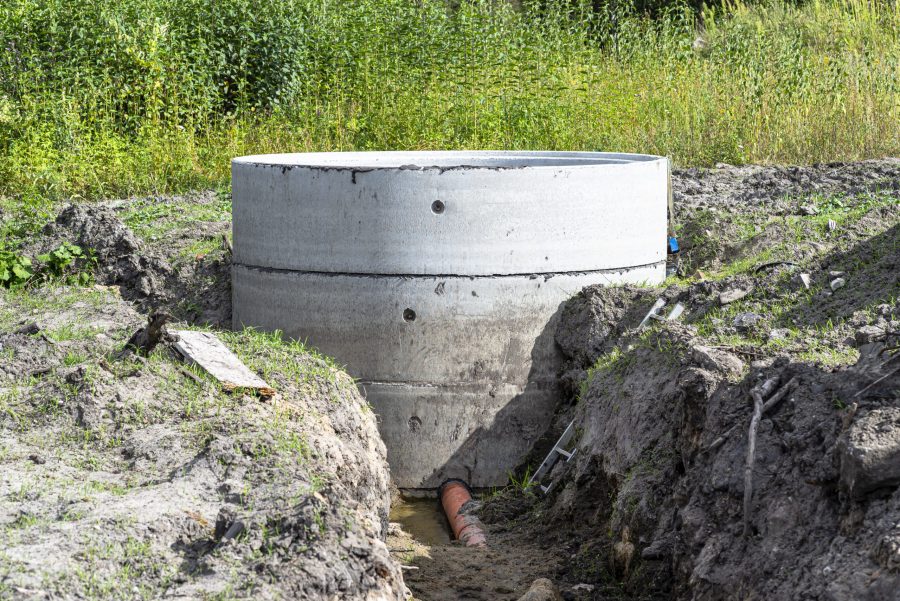
New & Replacement Septic System Installation
A septic system is a major part of your property’s infrastructure. The right design helps manage wastewater safely, protects the usable space on your lot, and supports long-term system performance.
Custom Septic provides complete septic installation services for homeowners, builders, and property owners across the Northwest Metro and surrounding Central Minnesota communities.
Our septic installation services include:
- New septic system installation for new construction
- Replacement septic systems for failed or outdated systems
- Septic tank installation and replacement
- Drainfield and leach field installation
- Mound septic system installation
- At-grade septic system installation
- Pressure distribution septic systems
- Septic site evaluations and soil borings
- Septic system layout and design coordination
- Septic repairs, upgrades, and system replacement planning
If your current septic system is failing, backing up, surfacing in the yard, or no longer meets the needs of your property, contact Custom Septic to discuss replacement options.
Septic Site Evaluation, Soil Borings & Design
A dependable septic system begins with a detailed site evaluation. Before septic installation begins, the property must be reviewed to determine which system type and layout can work safely and effectively.
Custom Septic evaluates important site factors such as:
- Soil texture and soil layers
- Seasonal water table conditions
- Shallow bedrock or restrictive clay layers
- Lot size, slope, drainage, and usable treatment area
- Home size and expected wastewater flow
- Existing and planned wells, buildings, driveways, and utilities
- Space for a replacement or reserve septic area where required
Proper Septic Tank Placement
Septic tank placement should allow safe access for installation, pumping, inspections, and future service. We help plan a practical location that minimizes unnecessary sewer-line runs while avoiding heavy traffic areas that can damage underground components.
Proper Drainfield Placement
The drainfield is where treated wastewater disperses into suitable soil. Correct sizing and placement are essential. We design around site conditions and required setbacks from wells, structures, property lines, water features, and other important features of your property.
Minnesota septic systems are regulated through state rules and locally administered septic programs, so the project requirements can vary by county and municipality. Custom Septic helps guide customers through the septic installation process for properties in Anoka, Sherburne, Wright, Hennepin, and nearby counties.
4 Basic Types of Septic System Designs
*There are also “Performance Systems” which are variations of the types below.
Gravity Septic Systems
Pressure Bed or Trench Septic Systems
At Grade Septic Systems
Mound Septic Systems
Determining the Proper Septic System for your Minnesota Property
The ideal septic system design for your home depends on factors such as terrain, soil conditions, and available placement area. To determine the proper septic design for your property, our professionals will take a soil sample, a process known as soil boring, as this is the main factor in choosing the appropriate septic system. Once this is complete, a layout of the septic tank and drainfield will be designed and discussed to ensure the area meets the following criteria:
- It is not needed for another purpose.
- There is no heavy weight or traffic on the designated areas.
- You do not have future plans that could disrupt the septic system’s function.
Common Types of Drainfield Systems:
- Pressure Distributed (Pressure Bed)
- Trenches (Gravity or Pressure Trench)
- At Grade
- Mound
Factors to Consider
The size of your septic tank is determined by the volume of water used and the regulations of your local jurisdiction. Septic tanks can be constructed from concrete, fiberglass, or polyethylene. Typically, the best placement for a septic tank is close to the home. The farther away the tank is, the longer the waste lines need to be, which can increase the risk of septic clogs.
Septic Drainfield or Leach Field?
Wastewater is separated from solids in the septic tank and then flows to a drainfield. This designated area contains piping to distribute the liquid evenly so it can be absorbed into the earth. A septic drainfield is critical to the proper functioning of the septic system. The placement, size, and type of drainfield depend on factors such as the projected wastewater flow, the characteristics of your property’s soil, and the slope or depth of the landscaping.
Septic Installation Service Area
Custom Septic provides New and Replacement Septic System Installation throughout the Northwest Twin Cities Metro and surrounding Central Minnesota communities.
Our primary service area includes:
- Elk River, MN
- Big Lake, MN
- Monticello, MN
- Otsego, MN
- Becker, MN
- Anoka, MN
- Andover, MN
- Ramsey, MN
- Ham Lake, MN
- Corcoran, MN
- Anoka County
- Sherburne County
- Wright County
- Hennepin County
If your property is outside this list, contact us to confirm whether we serve your location.
Why Choose Custom Septic?
Choosing the right septic contractor matters. A properly designed and installed septic system should match your land, household needs, system requirements, and future plans for the property.
Custom Septic helps customers throughout the Northwest Metro with:
- Local experience with Minnesota soil and site conditions
- New construction and replacement septic installations
- Mound, at-grade, pressure, and gravity-system options
- Clear communication throughout the design and installation process
- Septic service support beyond installation, including repairs, inspections, and maintenance
For a septic system that is designed around your property—not guessed at—contact Custom Septic today.
Schedule a Septic Installation Consultation
Need a new septic system, drainfield, mound system, or replacement installation in Elk River, Big Lake, Monticello, Anoka, Ham Lake, Otsego, Becker, or the surrounding Northwest Twin Cities Metro?
Custom Septic, Inc. is ready to help you evaluate your property and plan the right septic solution.
Call 763-218-4769 today or submit an online request to get started.